
Loading...
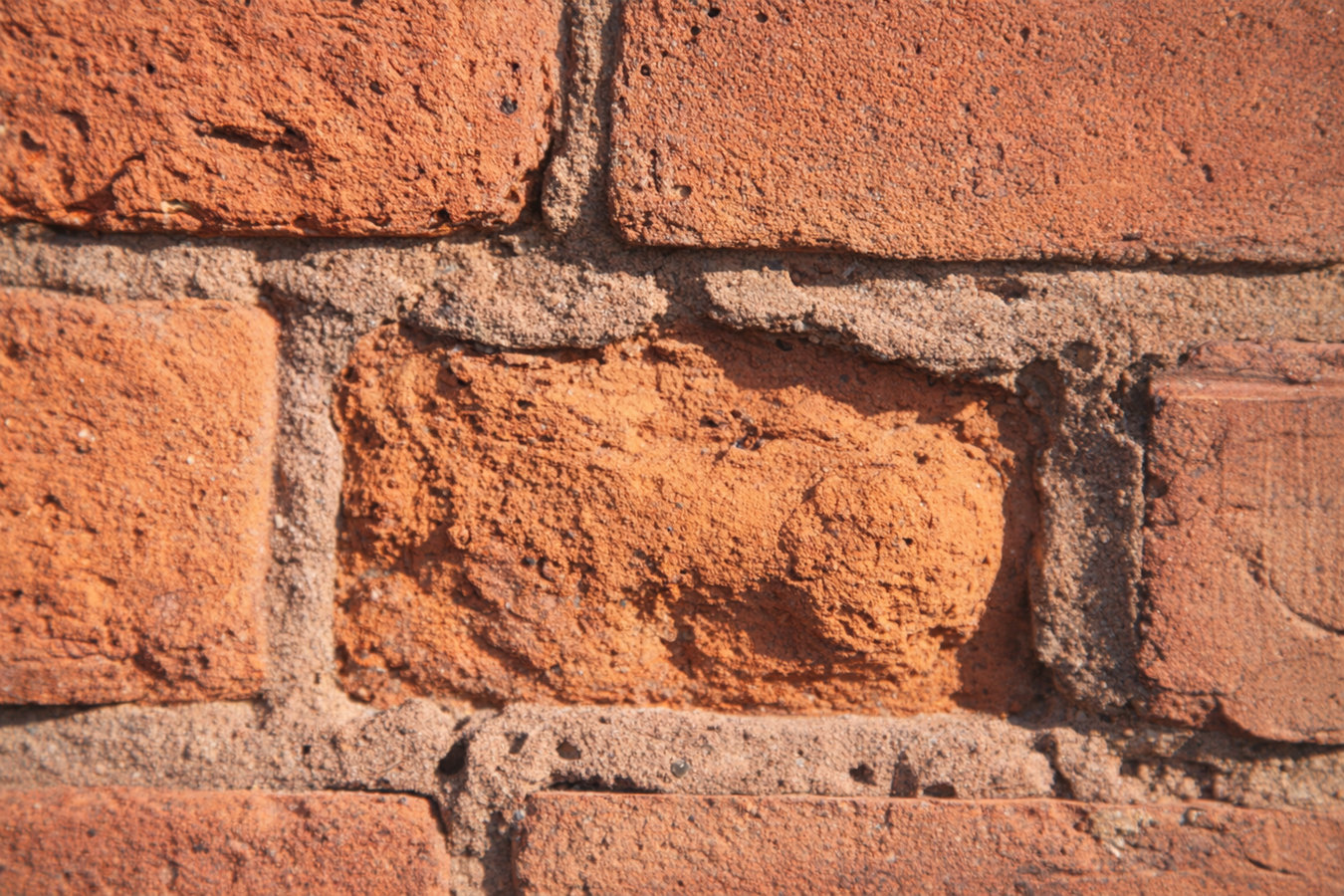
Crumbling mortar is not just a cosmetic problem. Water gets in through failing joints and weakens your wall from the inside. We remove old mortar and replace it with a matched mix that seals your brickwork for decades.
Brick pointing in La Mirada means removing old, worn mortar from the joints between your bricks to a depth of about three-quarters of an inch, then packing in fresh mortar matched to your existing bricks - most residential jobs on a chimney or single wall take one to three days.
La Mirada's housing stock skews heavily mid-century, with many homes built between the 1950s and 1970s. The mortar on those homes has a typical lifespan of 25 to 30 years, which means it has been past due for replacement in many cases. The wet-dry cycle of Southern California winters and summers opens small cracks in mortar joints over years, and water follows those cracks inside the wall. By the time you see visible damage, water has often already been working behind the surface for months.
If your brickwork has cracks that go deeper than just the mortar, or if the bricks themselves are spalling or shifting, that calls for foundation repair or broader masonry restoration work alongside pointing. We will tell you honestly which situation you are in when we look at it.
Run your finger along the joints between bricks. If the mortar feels soft, sandy, or flakes off easily, it has lost its strength. Healthy mortar should feel hard and solid - like the brick itself. Anything less than that is already letting water in through microscopic gaps.
La Mirada's winters bring concentrated rainfall after months of dry heat. If you notice new cracks in your mortar joints in January or February - or after a wet stretch - that is the wet-dry cycle doing its work. Small cracks that appear after rain are worth addressing before the next season makes them worse.
Those white streaks are called efflorescence - they form when water moves through the wall and carries dissolved salts to the surface. Seeing them on your brick face means water is already getting in through the mortar joints. It is not an emergency, but it is a clear signal the joints need attention before structural damage follows.
La Mirada's mid-century homes commonly have mortar that has never been replaced. If your home is from that era and you cannot recall any masonry work being done, a visual inspection by a mason is a smart move - not because something is definitely wrong, but because catching failing mortar early costs far less than waiting for water damage to develop.
We handle brick pointing on exterior walls, chimneys, garden walls, retaining walls, and decorative planters - anywhere mortar joints have worn out or been damaged. The process is methodical: we use angle grinders or chisels to remove old mortar to a depth of roughly three-quarters of an inch, then pack fresh mortar in by hand using small tools. Shallow patching over the top looks fine briefly but fails within a year or two, so we do not do it. The tuckpointing service is closely related - it uses a two-color mortar technique to create defined joint lines on brick that has been repointed - and we offer both depending on the look and function you need.
Mortar matching is one of the places where experience matters most. Using mortar that is too hard for older bricks - a common mistake with modern pre-mixed products - causes the bricks themselves to crack over time, which turns a modest repair into a significant one. We look at your existing mortar and your bricks together before we mix anything, and we select the type and strength that suits your specific home and its age. According to the Brick Industry Association, mortar compatibility is one of the most commonly overlooked factors in repointing failures.
Best for walls or chimneys where mortar has failed across a large area or the joints are uniformly soft and crumbling.
For walls in generally good condition with isolated areas of joint failure - a targeted fix that extends the life of the whole wall.
Chimneys take the most weather exposure of any masonry on the home - mortar here fails faster and water damage can reach the firebox if left too long.
For the low walls and planters common on La Mirada's mid-century ranch homes, where original mortar is often past its service life.
A large share of La Mirada's homes were built between the 1950s and 1970s, when brick veneer and decorative masonry were common in Southern California tract construction. The mortar from that era is now 50 to 70 years old in many homes - well past the 25 to 30 year typical lifespan. At the same time, La Mirada's wet-dry climate cycle is harder on mortar joints than steady moderate rainfall: joints dry out and contract in summer, then get hit with water in winter. Over years, that pattern opens cracks that let water in and the damage grows quietly until it becomes visible. By the time most homeowners notice the problem, it has been developing for some time.
Seismic activity adds another layer. The greater Los Angeles area sits near active fault lines, and even minor ground movement opens hairline cracks in mortar joints over time. We serve homeowners throughout La Mirada and into neighboring Cerritos, CA and Norwalk, CA, where the same housing vintage and soil conditions apply. A contractor who does most of their work in a different climate or a newer housing market may not recognize the specific mortar matching and curing challenges that come with older La Mirada homes.
Reach us by phone or through the contact form. We reply within one business day and schedule a site visit within the week. You do not need to prepare anything - just be home when we come to look.
We walk the area with you, look at the mortar joints up close, and check whether the bricks themselves are in good shape. You get a written estimate before any work is agreed to - and if the job is smaller or larger than you expected, we explain why.
The crew removes old mortar carefully and packs in fresh material by hand. Most homeowners go about their day - the work is steady and relatively quiet. The crew cleans the area before they leave so your property is not left with debris.
Before we leave, we walk you around the finished work and point out what was done. Fresh mortar needs 24 to 48 hours before it should get wet - we give you a clear list of what to avoid during that window, including keeping sprinklers away from the new joints.
Free estimate, no obligation. We reply within one business day and schedule quickly.
(562) 689-9880Homes built in La Mirada in the 1950s and 60s used softer mortar mixes suited to the bricks of that era. Using modern high-strength mortar on those older bricks causes cracking over time - a bigger repair than the one you started with. We match the mix to your home's age and materials, so the repair holds without creating new damage.
We remove old mortar to a depth of three-quarters of an inch before putting in new material. That depth is what the National Park Service Preservation Briefs document as the standard for lasting repointing. Shallow patching over the top fails quickly - we do not offer it.
Many La Mirada neighborhoods have homeowners associations with rules about exterior work, including mortar color and finish. We know to ask about HOA requirements before we start and can match the mortar finish to what your community expects, so you are not dealing with a complaint letter after the work is done.
We have been doing masonry work in La Mirada and surrounding cities since 2019. We know the housing stock, the soil conditions, and the permit requirements here specifically. When you call us, you are talking to someone who has worked on homes like yours in this area - not a dispatcher routing work to a subcontractor.
Brick pointing is one of those jobs where the visible part - fresh mortar in clean joints - looks straightforward, but the details that determine whether it lasts 25 years or 3 are all invisible once the work is done. Removal depth, mortar mix, curing conditions, HOA compliance - we handle all of it as a matter of course. Call us at (562) 689-9880 and we will take a look.
When cracking or shifting goes deeper than mortar joints, foundation repair addresses the structural issues behind the visible damage.
Learn MoreA two-color mortar technique that restores the appearance of brick joints while also sealing out water.
Learn MoreEvery season of wet-dry cycles opens those joints a little further - contact us today for a free estimate and get it handled while it is still a simple repair.